
 English
 Français
Many children have stuffed animals, but few have continued to collect them like Jackie Miley, a 68-year-old American...

0123-456-789
10% OFF on your first order ! Promocode : 10First
Search in blog
Latest posts
-
 THE WORLD'S LARGEST TEDDY BEAR COLLECTIONRead more
 -
 THE LION, KING OF THE SAVANNAH: DESCRIPTION, HABITAT, FOOD AND REP...Read more
Did you know that despite their reputation as hunters, Lionesses are not often successful in their hunts ? So...
-
 THE HORSE: A WILD AND DOMESTIC ANIMAL!Read more
Discover everything there is to know about the Horse ? . A mammal that has helped Man a lot, a lot in his conquests...
-
 5 EFFECTIVE METHODS TO CLEAN STUFFED TOYSRead more
Discover the best method to keep your child's stuffed animal clean and soft ? despite their adventures which often...
-
 ALL THE SECRETS THAT MAKE PENGUINS SO SURPRISING!Read more
This is the story of a penguin ? who breathes through his buttocks . One day, suddenly, he sat down And poof, he's dead.
-
 HOW TO CHOOSE THE PERFECT PLUSH TOY FOR YOUR CHILD?Read more
It is often difficult to know which soft toy to buy to make your child happy. So discover all the secrets to finding...
-
 SECRETS OF ADULTS WHO STILL SLEEP WITH THEIR PLUSH COMPANIONS...Read more
Many adults still enjoy their stuffed animal to fall asleep and feel calm, peaceful ? and happy! Discover all their...
-
 THE OCTOPUS, AN ACE OF CAMOUFLAGE AND INTELLIGENCERead more
You see that person who is good at everything? The Octopus ? is both an Ocean Genius, knows how to Blend into the...
-
 HOW TO CHOOSE A SAFE STUFFED ANIMAL FOR YOUR BABY?Read more
Stuffed animals are made of many materials that could be dangerous to the health of your baby or child. Check out and...
-
 THE SHARK: DIET, BEHAVIOR, REPRODUCTIONRead more
The Shark, an amazing marine animal with a fierce reputation and fascinating biology! In this article, discover 11...
Blog categories
- Default category (11)
- Have A Plush Toy (16)
- baby (3)
- Hot water bottle (2)
- White Noise (1)
- Birth Gift (5)
- Cat (1)
- Horse (1)
- Choosing A Plush Toy (4)
- Pig (1)
- DWARF PIG (1)
- Elephant (1)
- Interview (2)
- Make A Stuffed Animal (1)
- Giraffe (1)
- History Of The Teddy Bear (3)
- Gift Ideas (6)
- Olympic Games (1)
- Video Games (1)
- Jungle (1)
- Rabbit (2)
- Unicorn (1)
- Lion (1)
- Wolf (2)
- Sheep (1)
- Giant Teddy Bear (3)
- Bear (2)
- Easter (1)
- Lazy (2)
- Hot water bottle plush (2)
- Giant Plush Toy (3)
- Kawaii Plush Toy (1)
- Unicorn plush toy (1)
- Octopus (2)
- Penguin (2)
- Pokemon (1)
- Chicken (1)
- Animal Record (2)
- Record Plush (3)
- Shark (2)
- Tendency (4)
- Tiger (2)
- Xxl (3)
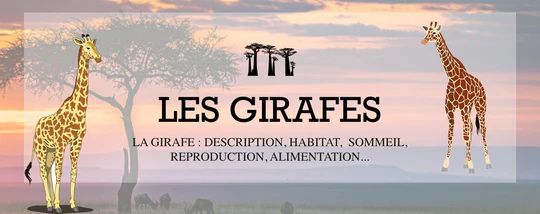
THE GIRAFFE: DESCRIPTION, HABITAT, SLEEP, REPRODUCTION, DIET
Summary
1) The Giraffe in 10 Seconds TOP CHRONO2) The Physical Description of the Giraffe• A- General Characteristics and Special Adaptations• B- Coordination, Movement and Musculature• C- Its impressive size and long legs• D- Its elongated neck and its blue tongue• E- Its spotted coat and bushy tail3) Giraffe Habitat and Distribution4) Giraffe Habits and Diet: Nutrition5) Giraffe Reproduction• A- The Baby Giraffe: the Giraffe• B- The Sterilization of the Giraffe6- The Lifespan of Giraffes7) The Different Breeds of Giraffes8) Giraffe Behavior• A- Giraffe Communication: Purring• B- The Sleep of the Giraffe•• C- The Behavior of a Sick Giraffe• D- Temperature Regulation9) Giraffe watching• A- The best methods for observing giraffes in their natural habitat• B- Safety measures to take to avoid disturbing the giraffes10) Protection of giraffes• A- Threats to giraffes: poaching, loss of habitat, etc.• B- Measures taken to protect giraffes and their environment11) Giraffe Stuffed AnimalsIn this article, we will introduce you to everything you need to know about the giraffe. We will review its habitat, diet, and unique physical characteristics. You will also learn how to observe giraffes in their natural environment and how to protect them.
1) The Giraffe in 10 Seconds TOP CHRONO
- COMMON NAME: Giraffe and camel-pard
- SCIENTIFIC NAME: Giraffa camelopardalis
- BASIC GROUP OF ANIMALS: Hoofed and ruminant mammals
- DIET: Herbivore
- SIZE: 4.5 and 6 meters in height
- WEIGHT: 800 to 1200 kg
- LIFESPAN: 20 to 28 years
- HABITAT: The giraffe is native to Africa and is found in several African countries including Kenya, Tanzania, South Africa, Namibia, Botswana, Zimbabwe, and Uganda.
- CONSERVATION STATUS: According to the International Union for Conservation of Nature (IUCN), there were an estimated 155,000 giraffes in the wild in 2019, representing a decline of more than 40% in the population over the past 30 years.

2) The Physical Description of the Giraffe
A- General Characteristics and Special Adaptations
The giraffe is a land mammal with a long neck and thin legs. It can reach a height of 4.5 to 6 meters, making it the tallest living land animal. The giraffe also has a long prehensile tongue. This can reach up to 45 centimeters long. This allows it to grasp the leaves of trees.
In terms of special adaptations, the giraffe has a very powerful heart that allows it to pump blood to its high-located brain despite the large vertical distance between the brain and the heart. It also has valves in the blood vessels in its neck to prevent blood from flowing back down when it lowers its head. The giraffe also has large, flexible hooves that absorb shock when it walks and runs.
Finally, the giraffe is able to sleep very little, in bursts of 5 to 10 minutes. This is why it can stay awake for long periods of time due to the high risk of predation due to its size. It also has sweat glands located on its forehead that release an odorous substance. It is used for communication between individuals.
B- Coordination, Movement and Musculature
The giraffe's coordination and movement are linked to its particular physical characteristics. In particular, its long neck and thin legs. The giraffe moves by swinging its front and back legs to the same side simultaneously. This allows it to maintain its balance on uneven ground and move at speeds of up to 56 km/h. It is also capable of leaping to escape predators. Its jumps can reach heights of up to 1.8 meters.
The giraffe's musculature is also remarkable, with powerful muscles in its neck and legs to support its weight and enable movement. Its neck muscles, in particular, are highly developed and can weigh up to 270 kg. This represents about 60% of the giraffe's total mass. These muscles are used to keep the giraffe's head upright and to help pull food from trees. The giraffe's leg muscles are also very powerful. They allow the animal to stand up, run quickly and jump.
C- Its impressive size and long legs
Giraffes are incredible animals. With an impressive size and long legs. In fact, giraffes are the largest living land creatures. Because they measure on average 5.5 meters high for males and 4.5 meters for females. Their long necks and thin legs are remarkable adaptations. They allow them to survive in their environment.
Giraffes' long, powerful legs allow them to move quickly across the vast expanses of African savannahs and plains. Their legs are also equipped with powerful muscles that allow them to run at speeds of up to 60 km/h. This is why giraffes are particularly fast animals despite their impressive size.
Their long necks allow them to eat tree leaves and high branches that are out of reach of other herbivores. Giraffes can reach the highest branches by stretching their long necks and using their prehensile tongues to grab the leaves. Their necks are actually made up of seven elongated vertebrae, like ours, but much longer. Each of these vertebrae is about 10 cm long. This gives the giraffe's neck a total length of about 2 meters.
Giraffes are truly unique animals that have developed amazing adaptations to survive in their environment. Their impressive size and long legs make them majestic creatures to admire. If you are lucky enough to observe a giraffe in its natural habitat, take the time to observe its incredible size and long legs that make it one of the most fascinating animals of the African savannah.
 D- His elongated neck and his blue tongue
Giraffes are fascinating animals with unique features that make them very special. Some of these features include their incredibly elongated necks and their distinct blue tongues.
The giraffe's elongated neck is one of the most recognizable features of this majestic creature. In reality, the giraffe's neck is made up of seven elongated vertebrae, like ours, but they are much longer. Each of these vertebrae is about 10 cm long, giving the giraffe's neck a total length of about 2 meters. This unique feature allows them to eat tree leaves and high branches that are out of reach of other herbivores.
In addition to their elongated necks, giraffes have a very special tongue, which is blue in color. This unusual color of their tongue is due to an adaptation to protect them from the sun's rays. The giraffe's tongue is also extremely long, reaching up to 45 centimeters in length. This long tongue allows them to reach the highest leaves of trees, which they can then grasp with their finger-like mouth.
Giraffes use their tongue and upper lip to grasp leaves and branches, then pull it inside their mouth. Giraffes also have a very powerful tongue that allows them to chew fibrous foods such as acacia leaves.
The giraffe's elongated neck and blue tongue are two of the many fascinating adaptations this majestic creature has developed to survive in its environment. If you are lucky enough to observe a giraffe in its natural habitat, take the time to notice its incredibly elongated neck and distinct blue tongue, which make this creature one of the most fascinating animals of the African savannah.
E- Its spotted coat and bushy tail
The giraffe's spotted coat is one of its most iconic features. These magnificent animals have a golden brown coat with irregular patches of light beige or white. Each giraffe's spots are unique, similar to our fingerprints. This allows researchers to identify them individually.
The giraffe's spotted coat also serves as camouflage in its natural environment. The spots mimic the patterns of light filtering through trees. This allows the giraffe to blend into the landscape and hide from predators. The giraffe's coat is also thick to protect it from the sun and insects.
The giraffe's bushy tail is another unique feature of this fascinating creature. The giraffe's tail is covered in black hair and is about 1 meter long. Giraffes use their tails to chase away flies and other annoying insects. But also to communicate. Giraffes can wave their tails to signal their mood, intention, or annoyance.
In addition to their aesthetic beauty, the giraffe's spotted coat and bushy tail have great functional importance in their daily lives. They help giraffes survive in their natural habitat. By protecting them from the elements and predators. But also by allowing them to communicate with other members of their group.
In short, the spotted coat and bushy tail of the giraffe are two of the many fascinating features. They make this creature one of the most unique and interesting animals of the African savannah. If you are lucky enough to observe a giraffe in its natural habitat, take the time to notice the beauty of its spotted coat and bushy tail, which are two of the many wonders of nature.
3) Giraffe Habitat and Distribution
Giraffes are native to Africa and are found in many countries across the continent. Particularly in East Africa, Southern Africa and West Africa. They mainly inhabit savannahs, grasslands, floodplains and open forests.
Due to their ability to survive in semi-arid areas and marginal habitats, giraffes are well adapted to a wide variety of environments, including scrublands and semi-desert regions.
However, the giraffe population has declined significantly in recent years due to habitat loss, hunting and poaching. Giraffes are currently listed as a vulnerable species on the International Union for Conservation of Nature (IUCN) Red List. This means that they are at risk of becoming extinct in the wild if conservation measures are not taken to protect their habitat and population.
4) Giraffe Habits and Diet: Nutrition
Giraffes are strict herbivores and feed mainly on leaves, flowers and fruits of trees and shrubs such as acacias, eucalyptus leaves, etc. Their diet is high in fiber and low in protein. Giraffes can eat up to 75 pounds (about 34 kilograms) of leaves and branches per day.
Their long neck and very long and powerful tongue (which can measure up to 45 cm long). They allow them to reach leaves and branches located high up. Places that other herbivores cannot reach.
Giraffes have a unique adaptation to their diet. Their special circulatory system allows them to maintain high blood pressure. This is necessary to pump blood to their brains located high up. Indeed, to avoid dizziness and fainting due to gravity, their hearts are particularly powerful and their carotid artery is very wide.
Giraffes also have unusual eating habits. They spend most of the day eating and may feed at any time of the day or night. However, they tend to rest and sleep for short periods of time. This may be due to their low-energy diet and their need to eat constantly to maintain their metabolism.

5) Giraffe Reproduction
A- The Baby Giraffe: the Giraffe
Giraffe calf is the name given to a baby giraffe. Giraffe calves are born after a gestation period of about 14 to 15 months. At birth, they measure about 1.80 meters in height and weigh about 50 to 70 kilograms.
Giraffe calves are very vulnerable in the first months of their lives. Because they have to face many predators. Mothers usually protect their young by keeping them in the middle of the group of giraffes. Where they can be protected from predators.
Giraffe calves begin feeding on leaves and branches within the first few days of life. However, they continue to nurse for about 6 months, until they are able to feed entirely on solid plants.
Giraffe calves grow rapidly and reach their adult size within a few years. They usually leave their mothers when they are about 15 months old and join a group of giraffes of the same sex. Male giraffe calves can be very playful and often engage in strength-testing fights to establish their social standing within the group.
B- Sterilization of the Giraffe
Neutering giraffes is a procedure that is rarely performed due to potential health risks. Also, giraffes are not commonly kept in captivity. However, in some cases, sterilization may be recommended for reasons of managing captive giraffe populations.
Giraffes can be neutered in several ways. These include surgical castration for males and ovariectomy (removal of the ovaries) for females. However, these procedures are associated with risks such as excessive bleeding, infections and complications related to anesthesia. This makes their use uncommon.
In some cases, contraception can be used to control captive giraffe populations. Long-acting contraceptives, such as contraceptive implants, progesterone injections, and intrauterine devices, can be used to prevent unwanted births.
Generally, sterilization and contraception are used as a last resort to manage captive giraffe populations. In the wild, giraffe populations are naturally regulated by predators, competition for food resources, and environmental factors.

6- The Lifespan of Giraffes
Giraffes' lifespan varies depending on several factors. Such as environmental conditions and the presence of predators. In general, giraffes live between 20 and 25 years in the wild. However, in captivity, giraffes can live longer, up to 28 years or more.
Male giraffes generally have shorter lifespans than females due to their aggressive behavior and fighting over territory and mating.
Giraffe lifespan is influenced by the availability of food, water, and other resources needed for survival. Giraffes living in more resource-rich habitats such as wetlands and wooded savannas tend to live longer than those living in more arid and desert habitats.
In general, giraffes have relatively short lifespans compared to other large mammals, such as elephants or whales. This is partly due to their large size and high metabolism, which make them more vulnerable to disease and other environmental factors that can affect their health and survival.
7) The Different Breeds of Giraffes
There are no distinct breeds of giraffe. But there are nine recognized subspecies, each with its own physical characteristics and specific range. The subspecies of giraffe are as follows:
- Niger giraffe (Giraffa camelopardalis peralta)
- Kordofan giraffe (Giraffa camelopardalis antiquorum)
- Nubian giraffe (Giraffa camelopardalis camelopardalis)
- Reticulated giraffe (Giraffa camelopardalis reticulata)
- Rothschild's giraffe (Giraffa camelopardalis rothschildi)
- Thornicroft's giraffe (Giraffa camelopardalis thornicrofti)
- Cape giraffe (Giraffa camelopardalis giraffa)
- Masai giraffe (Giraffa camelopardalis tippelskirchi)
- West African giraffe (Giraffa camelopardalis peralta)
The physical differences between the subspecies are mainly related to the color and pattern of their coats. They vary depending on their natural habitat. For example, the reticulated giraffe is known for its distinctive coat of polygonal spots. While the Rothschild's giraffe has more irregular and lighter spots. The size and shape of giraffe horns can also vary slightly between the subspecies.
8) Giraffe Behavior
A- Giraffe Communication: Purring
Unlike other large savannah animals, giraffes are relatively quiet and do not produce loud or frequent sounds. However, giraffes do have a unique form of sound communication, known as "purring."
Purring is a low, soft sound produced by giraffes when they feel relaxed and comfortable. The sound is produced by the movement of air through the giraffe's vocal cords, which vibrate at a low frequency. Giraffe purrs can be heard from several meters away.
Purring is considered a form of nonverbal communication. It can help giraffes communicate their emotional state and stress levels to other members of their social group. Giraffes may also use other visual and olfactory signals, such as body postures and pheromones, to communicate with each other.
Aside from purring, giraffes may produce occasional noises. Such as growls or hisses, which are usually associated with specific behaviors. Such as territorial defense or aggression. However, these sounds are relatively rare and are not considered an important form of communication for giraffes.
B- The Sleep of the Giraffe
Giraffes have quite unusual sleeping habits. They usually sleep very little and intermittently throughout the day and night. Often in a standing position. Giraffes only sleep for a few minutes at a time. Up to a maximum of about 30 minutes per sleep period. And they can go for days without sleeping at all.
When sleeping upright, giraffes bend their front legs and rest their head on their neck. While their eyes remain partially open to monitor their surroundings. Giraffes can also sit or lie down completely to sleep. But they are then more vulnerable to attacks from predators.
Scientists aren't sure why giraffes have such unusual sleeping habits. But it's possible that it's due to their vulnerability to predators and their need to stay alert for protection. Additionally, giraffes have a poor ability to regulate their body temperature, so it's possible that their sleeping behavior is related to thermoregulation.

C- The Behavior of a Sick Giraffe
Giraffes are very resilient and hardy animals. But like all animals, they can get sick. Signs of illness in a giraffe can vary depending on the cause of the illness. However, here are some behaviors that may indicate that something is wrong:
Lethargy : A sick giraffe may seem more tired than usual, move slowly, or lie down more often.
Loss of appetite : If a giraffe is not eating as much as it usually does, it could indicate a health problem.
Lameness : If a giraffe is limping or has difficulty moving, it may indicate problems with the limbs, joints, or spine.
Changes in stool or urine : Abnormal stool or urine may indicate digestive or kidney problems.
Changes in breathing : If a giraffe is breathing rapidly or appears to be having difficulty breathing, this may indicate respiratory or heart problems.
If you notice any of these signs in a giraffe, it is important to consult a wildlife veterinarian for proper diagnosis and treatment. Giraffes are precious and rare animals, so it is important to take care of them in case of illness or injury.
D- Temperature Regulation
Giraffes have unique adaptations to regulate their body temperature due to their size and warm, dry habitat. Here are some of the ways giraffes regulate their temperature:
Sweating : Giraffes sweat to cool themselves down. They have sweat glands on their skin that secrete water. This helps them dissipate heat from their bodies.
Vasodilation : Giraffes have blood vessels near the surface of their skin that can dilate to release heat. When the vessels dilate, more blood flows to the surface of the skin. This allows heat to escape.
Convection Thermoregulation : Giraffes have long necks and thin legs that create a large space between their bodies and the ground. This allows warm air to escape and cool the giraffe's body.
Shade positioning : Giraffes may position themselves in the shade to avoid direct sunlight. They may also stretch their necks to reach higher tree branches. As they may be cooler.
Breathing : Giraffes can regulate their temperature by panting, which helps circulate cool air throughout their bodies.
Thanks to these adaptations, giraffes can maintain a stable body temperature despite the high temperatures of their natural habitat.
9) Giraffe watching
A- The best methods for observing giraffes in their natural habitat
Observing giraffes in their natural habitat is an unforgettable experience. However, it is important to take certain precautions to avoid disturbing these majestic animals and to ensure your own safety. Here are the best methods for observing giraffes in their natural environment:
- Self-drive safari : One of the best ways to see giraffes is to go on a self-drive safari in the parks and reserves. The experienced guides will take you through the savannahs and plains where giraffes can be found. Giving you a breathtaking view of these fascinating animals.
- Hiking : Another option for spotting giraffes is to go on a guided hiking tour. Local guides are familiar with where giraffes congregate and can take you to areas less frequented by tourists, for a more immersive experience.
- Viewing from a platform : Some parks and reserves offer viewing platforms for visitors. These platforms are located in strategic locations where giraffes tend to congregate and offer a clear view of these animals.
- Observation Balloon : For a truly unique experience, you can observe the giraffes from an observation balloon. This will allow you to see the animals from a different angle and enjoy spectacular panoramic views.
It is important to remember that giraffes are wild animals and it is important to observe them responsibly. Do not approach giraffes too closely. Do not feed them and respect their natural environment. By following these recommendations, you will be able to observe giraffes in a safe and ethical way. All while creating unforgettable memories of these majestic animals.
 B- Safety measures to take to avoid disturbing the giraffes
Giraffes are majestic animals. They live in their natural habitat, where they are protected in parks and reserves. To preserve their environment and allow them to live in peace. It is important to take certain safety measures to avoid disturbing them. Here are some recommendations for observing giraffes while respecting their space and tranquility:
- Keep your distance : It is important not to get too close to giraffes. Giraffes have an excellent sense of hearing and smell, so if they feel threatened. They can become aggressive. Tour guides are trained to know safe distances and will advise you.
- Do not feed giraffes : Giraffes are herbivores and their diet consists mainly of tree leaves. It is important not to feed them any food other than what they find in their natural habitat. As this can affect their health.
- Respect their natural environment : Giraffes live in a wide variety of natural habitats, from plains to wooded areas. It is important not to disturb their natural environment by leaving waste or causing damage to vegetation.
- Avoid flashes : Giraffes have sensitive eyes and can be disturbed by camera or cell phone flashes. It is best to use a camera without a flash to take pictures.
By following these safety measures, you will be able to observe giraffes responsibly and safely. Keep in mind that giraffes are wild animals and it is important to respect their space and tranquility for their well-being and conservation.
10) Protection of giraffes
A- Threats to giraffes: poaching, habitat loss, etc.
Giraffes are majestic animals that inhabit the savannahs and plains of Africa. Unfortunately, these animals face many threats that put their existence in danger. Here are some of the most significant threats that giraffes face:
- Poaching : Giraffes are hunted for their meat, skin, and bones. They are used in jewelry and sculptures. Giraffes are also hunted for sport, although this practice is illegal.
- Habitat loss : Giraffes need large areas of land to roam and find food. Unfortunately, their natural habitat is often destroyed by the expansion of human activities. Such as agriculture, mining and road construction.
- Climate change : Climate change is affecting giraffe habitats, especially the semi-arid regions where they live. Prolonged droughts reduce the availability of food and water for these animals.
- Conflicts with humans : Giraffes may come into conflict with humans when searching for food on farms and plantations. This can result in the destruction of crops and livestock, leading to retaliation against giraffes.
It is important to take action to protect giraffes from these threats. This may include putting in place stricter laws to combat poaching, creating new reserves to protect giraffes’ natural habitats, and raising public awareness of the conservation issues surrounding these animals. If we work together to protect giraffes, we can help ensure their survival for generations to come.
B- Measures taken to protect giraffes and their environment
Giraffes are fascinating animals that inhabit the savannahs and plains of Africa. Unfortunately, their existence is threatened by many pressures, including poaching, habitat loss and conflict with humans. Fortunately, measures have been taken to protect giraffes and their environment. Here are some examples of these measures:
- Creation of nature reserves : Many nature reserves have been created to protect the habitat of giraffes. These reserves provide protected spaces for giraffes and other wildlife, where they can live in peace.
- Monitoring and anti-poaching : Conservation authorities work with law enforcement to monitor giraffe populations and combat poaching. Patrols are organized to protect giraffes and other wildlife from poachers.
- Public awareness : Awareness campaigns have been launched to inform the public about the importance of protecting giraffes and their environment. Schools and local communities are involved to better understand conservation issues and to participate in the protection of giraffes.
- Greening local communities : To protect giraffes' natural habitats, programs have been launched to encourage local communities to adopt ecological practices, such as land conservation and sustainable management of natural resources.
These measures are essential to protect giraffes and their environment. By working together, we can help ensure the survival of these majestic animals for future generations.

11) Giraffe Stuffed Animals
Giraffe stuffed animals have become a popular trend in the world of children's toys. Giraffe stuffed animals are not only adorable, but they are also soft, cuddly, and easy to hold for children of all ages.
Giraffe plush toys are often designed to look just like their real-life counterparts. With a plush spotted coat and a long blue fabric tongue. Children love to play with their giraffe plush, hugging it to feel safe and comforted.
Giraffe stuffed animals are also a great way to teach children about wildlife. Parents can use the stuffed animals to explain the giraffe's impressive size and physical characteristics. As well as its natural habitat and behaviors.
In addition to being a source of entertainment and education for children. Giraffe plush toys can also be used as a decorative element in a child's room. Giraffe plush toys are often large in size. This makes them perfect for decorating a bed, a shelf or even the floor.
Finally, giraffe plush toys are often made from durable and resistant materials. This means that they can withstand prolonged use and repeated washing. Giraffe plush toys are therefore a great investment for parents looking for a durable and easy-care toy for their children.
All in all, giraffe plush toys are a great toy option for kids of all ages. Not only are they adorable and soft, but they are also educational and durable, making them an ideal toy choice for quality-conscious parents.
In conclusion, the giraffe is a fascinating animal that deserves to be studied and protected. We hope that this article has allowed you to learn more about this emblematic animal of the savannah and to become aware of the importance of its conservation.
Posted in:
Giraffe
Featured Products

Bouillotte Peluche
Profitez des frais de port gratuit pour acheter votre bouillotte peluche. Elle sera un cadeau original pour bébé, enfant et adulte ! Faites des heureux autour de vous, fille et garçon l'adoreront !
Price: 12.500000
Leave a comment